Results for "productivity"
165 matching results across tools, Boxes, comparisons, alternatives, and categories.
Tools(163)
View all 163 tools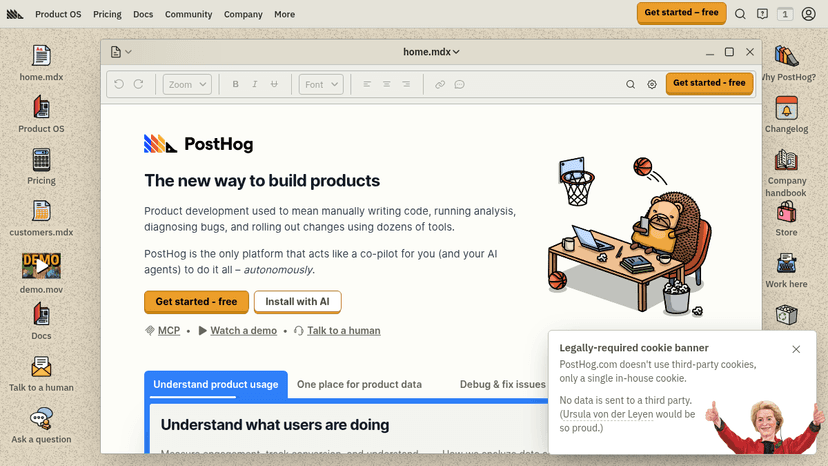
All-in-one product analytics, session replay, feature flags, and data warehouse — built for product engineers to ship products faster

Design, prototype, and build products faster with AI—collaborate in one platform from first idea to shipped product


Stay sharp on UX research and product decisions — get news, strategy, tactics, and tool guides built for UX teams and product practitioners.

Turn prompts into production-ready UI that matches your existing product, iterate live with your team, and ship features weeks faster


Social launchpad for tech products: get guaranteed homepage visibility, a 75 DR do-follow backlink, and real community feedback to grow your product


The agentic product management system that helps product makers understand customers, prioritize features, and ship the right thing with AI-powered in...
Categories(2)
AI Tools
Useful AI tools solve specific problems, not vague “productivity” fantasies. This category covers software that helps people write, research, code, design, analyze data, generate images, summarize documents, automate support, and build faster without pretending the work does itself. A marketer might use ChatGPT to draft campaign angles, Claude to clean up a long strategy document, and Midjourney to explore visual directions before handing the best ideas to a designer. The real value is not in replacing skill, but in reducing the slow parts around it: first drafts, repetitive edits, messy notes, blank screens, and tedious formatting. Good AI tools fit into an existing workflow without making every task feel like prompt engineering homework. Weak ones produce shiny output that still needs more fixing than starting from scratch. The best AI tools feel boring in the right way: dependable, focused, and useful after the novelty wears off.
Productivity
Productivity software comprises tools designed to help individuals and organizations work more efficiently and accomplish tasks systematically. This category includes applications for project management, time tracking, note-taking, document collaboration, task organization, and workflow automation. Common types of productivity tools include project management platforms that coordinate team efforts across multiple initiatives, document editors that enable real-time collaboration on files and spreadsheets, and communication systems that streamline information sharing. Calendar and scheduling applications help users manage time commitments, while task management software tracks action items and deadlines. Note-taking applications serve as digital repositories for information capture and organization. Productivity software benefits a wide range of users. Remote and distributed teams rely on these tools to maintain alignment across locations. Freelancers and small business owners use them to manage clients, projects, and finances. Corporate environments implement productivity solutions to standardize workflows and improve operational efficiency. Students utilize these tools for research organization and academic project management. The primary value of productivity software lies in reducing friction during work processes, minimizing duplicate efforts, and providing visibility into project status and resource allocation. These tools help users prioritize activities, meet deadlines, and maintain accountability while working independently or as part of larger teams.